Water Damage Mitigation in Phoenix, AZ
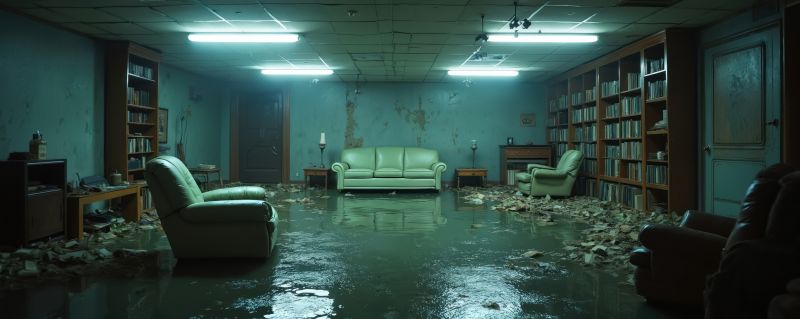
Water damage mitigation services involve assessing and reducing the impact of water intrusion in residential properties. These services typically address issues caused by leaks, flooding, or plumbing failures, covering projects such as drying out affected areas, removing standing water, cleaning and sanitizing surfaces, and preventing mold growth. Homeowners often seek this service to protect their property from further damage, preserve structural integrity, and maintain a healthy living environment after water-related incidents.
Before requesting water damage mitigation, property owners usually want to understand the extent of the damage, the areas affected, and the steps involved in the mitigation process. It’s important to consider whether insurance coverage applies and to identify any immediate safety concerns, such as electrical hazards or compromised structural elements. Clear communication about the scope of work and potential restoration needs can help ensure the mitigation process addresses all necessary repairs effectively.
Many property owners in Phoenix, AZ look into Water Damage Mitigation for repairs, replacements, upgrades, and appearance-related improvements.
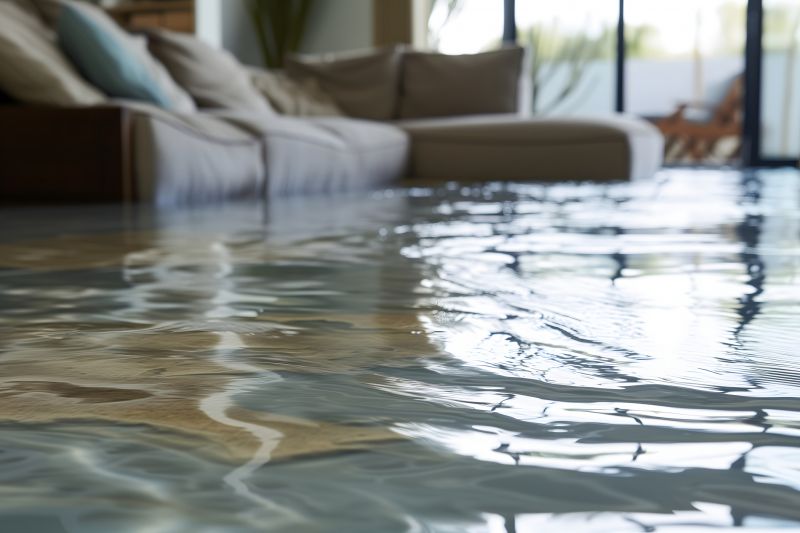
Water Damage Assessment
Identifying affected areas to prevent further deterioration and mold growth.
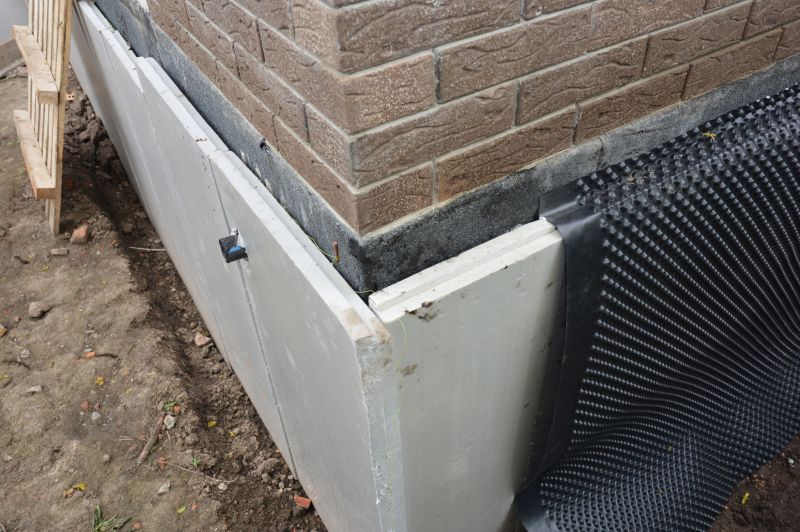
Water Extraction And Drying
Removing excess water and thoroughly drying surfaces to minimize damage.
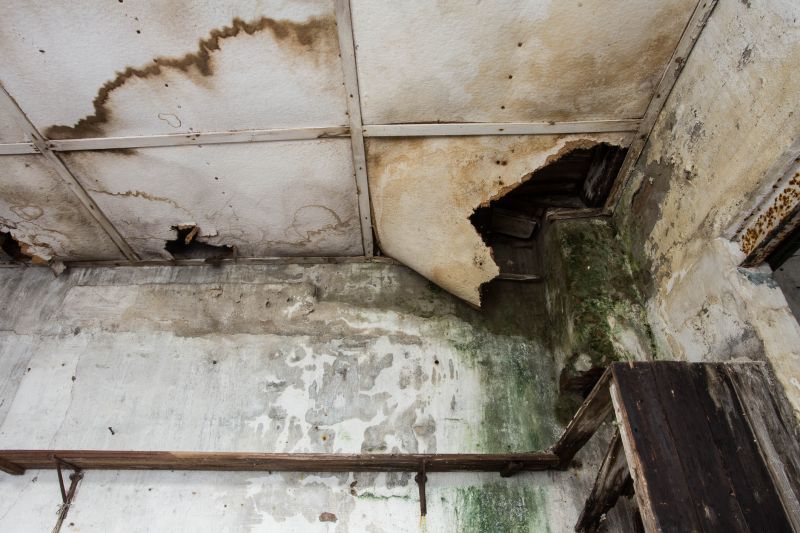
Structural Restoration
Repairing and restoring damaged building components to ensure safety and stability.
Water Damage Mitigation in Phoenix, AZ
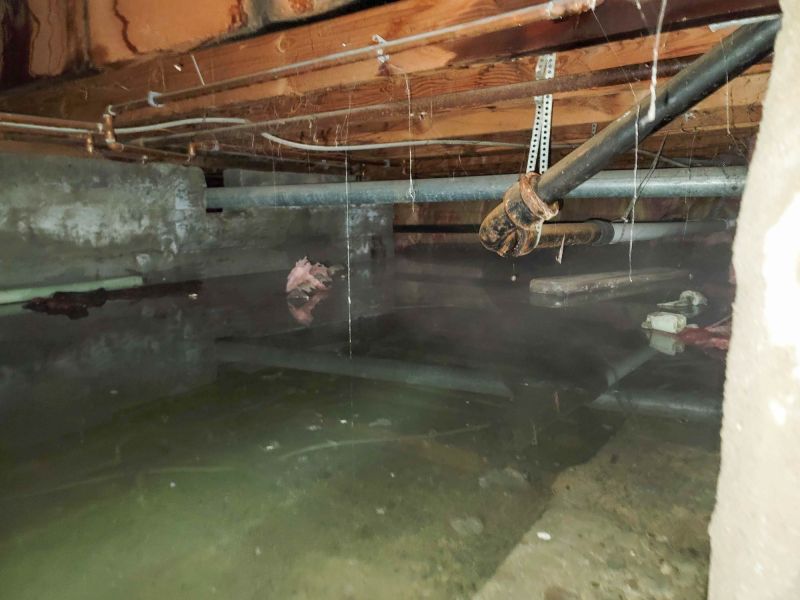
Water damage mitigation services involve assessing and reducing the impact of water intrusion in residential properties. These services typically address issues caused by leaks, flooding, or plumbing failures, covering projects such as drying out affected areas, removing standing water, cleaning and sanitizing surfaces, and preventing mold growth. Homeowners often seek this service to protect their property from further damage, preserve structural integrity, and maintain a healthy living environment after water-related incidents.
Before requesting water damage mitigation, property owners usually want to understand the extent of the damage, the areas affected, and the steps involved in the mitigation process. It’s important to consider whether insurance coverage applies and to identify any immediate safety concerns, such as electrical hazards or compromised structural elements. Clear communication about the scope of work and potential restoration needs can help ensure the mitigation process addresses all necessary repairs effectively.
Many property owners in Phoenix, AZ look into Water Damage Mitigation for repairs, replacements, upgrades, and appearance-related improvements.
Common Water Damage Mitigation Jobs
Water Extraction - removing standing water to prevent further damage and mold growth.
Structural Drying - drying out affected building materials to restore stability.
Mold Prevention - treating areas to inhibit mold development after water intrusion.
Content Drying - restoring personal belongings and household items impacted by water.
Leak Repair - fixing sources of water intrusion to prevent future damage.
Damage Assessment - inspecting affected areas to determine the extent of water-related issues.
Water Damage Mitigation Questions
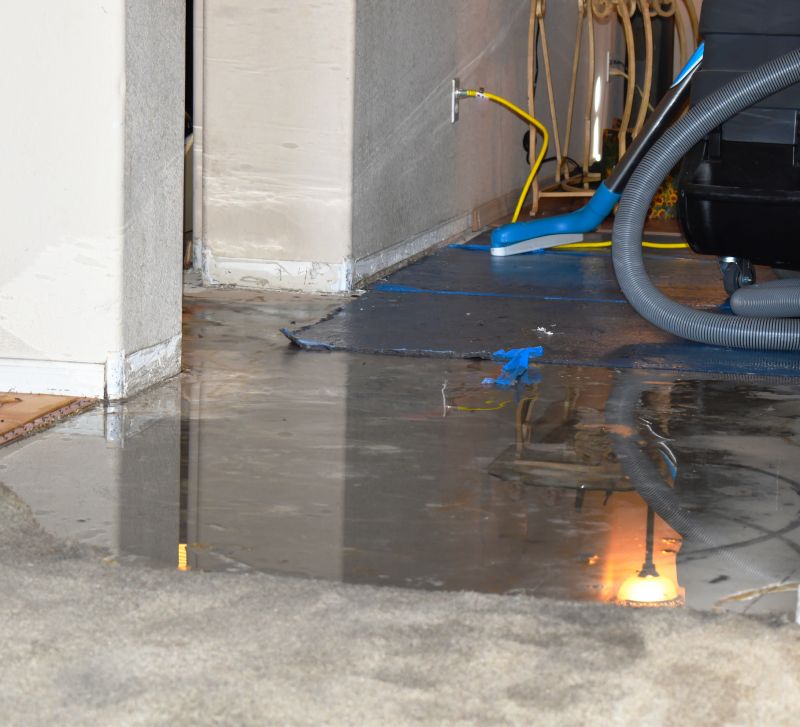
What is water damage mitigation? It involves the process of removing excess water and preventing further damage after a leak or flood to protect the property.
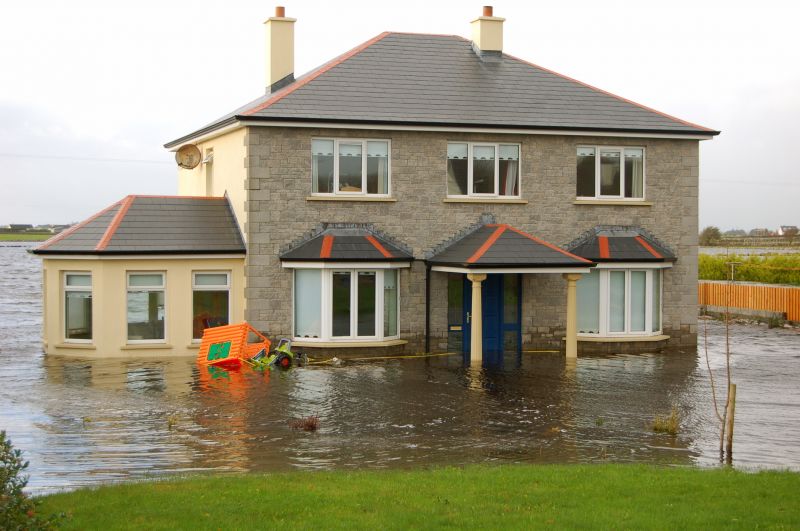
What types of water damage are commonly addressed? Common issues include leaks from plumbing, roof leaks, appliance overflows, and flood-related water intrusion.
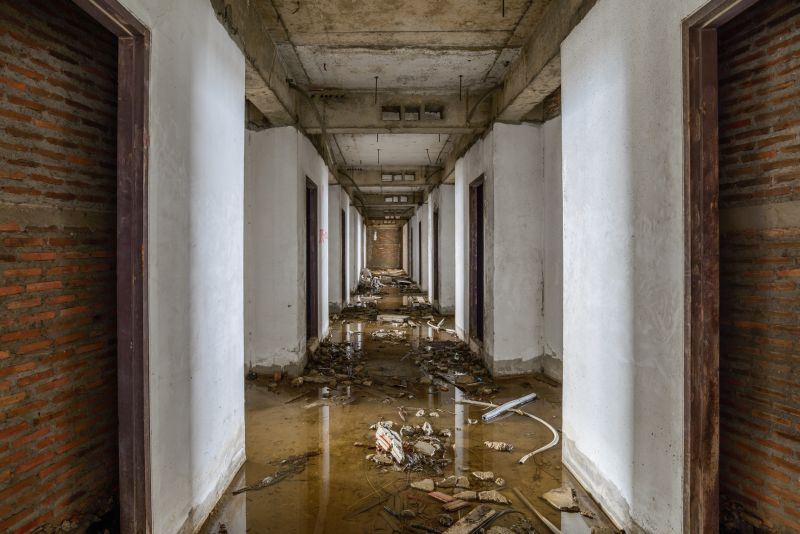
How can water damage affect a home? Water damage can cause structural issues, mold growth, and deterioration of building materials if not addressed promptly.
What are the key steps in water damage mitigation? The process typically includes water removal, drying, cleaning, and preventing mold growth to restore the property.
Request Water Damage Mitigation in Phoenix, AZ
Use the quote form on this page to share the basics of your project and request more information for the type of work you need.